Day by day…
Day 6
On day 6, we traveled to Nagano. It was our first time using a Shinkansen line. The train glided so smoothly that it almost felt like flying, and the views of the countryside were stunning. For those who don’t know, this is the fastest, most efficient, as well as most expensive line you can take in Japan. We paid 15,200 yen for 2 people, making approximately 85 euros at the time. It is good to know that you cannot use the Suica travel card for this journey. If you know what you are doing, it is very simple to buy tickets. You can simply purchase the ticket at one of the ticket counters that are specifically selling it for the Shinkansen line.

Arriving in Nagano felt very relaxing. The crisp mountain air and the slower pace of the city were a welcome change after Tokyo. It is one of these lovely mountain cities. Maybe you have heard of it, as the Olympic Games were organized there in 1998.

We arrived at a hostel called Mash Cafe & Bed Nagano. It was quite lovely. Felt safe, clean, modern, and a little bit impersonal due to its size. But that doesn’t necessarily have to be a disadvantage, especially if you want some time for yourself. If you would like to stay in Nagano, I would definitely recommend this hostel. We reserved in advance and got quite cheap rates, paying about 22€ per night per person!

The first day was a little bit slow, so we decided to take a night walk to the city. The Zenkōji temple, located approximately 20 minutes from the hostel, looked magnificent at night. Its lanterns glowed softly, casting a serene light over the temple grounds, and the quiet hum of the city in the background made the experience even more peaceful. Of course I had to come back on another day, during daylight, to make some nice pictures.


We ate in a modest restaurant on the edge of a small street called Tonkotsu Ramen Hakata Yatai. It was the first ramen we had in Japan, and I have to say we enjoyed it a lot. The rich, creamy broth was surprisingly lighter than we expected, and we managed to finish the whole ramen, leaving us perfectly full. The place was full of life and young people enjoying their evening. The energy was infectious, leaving us smiling on our way home.

Day 7
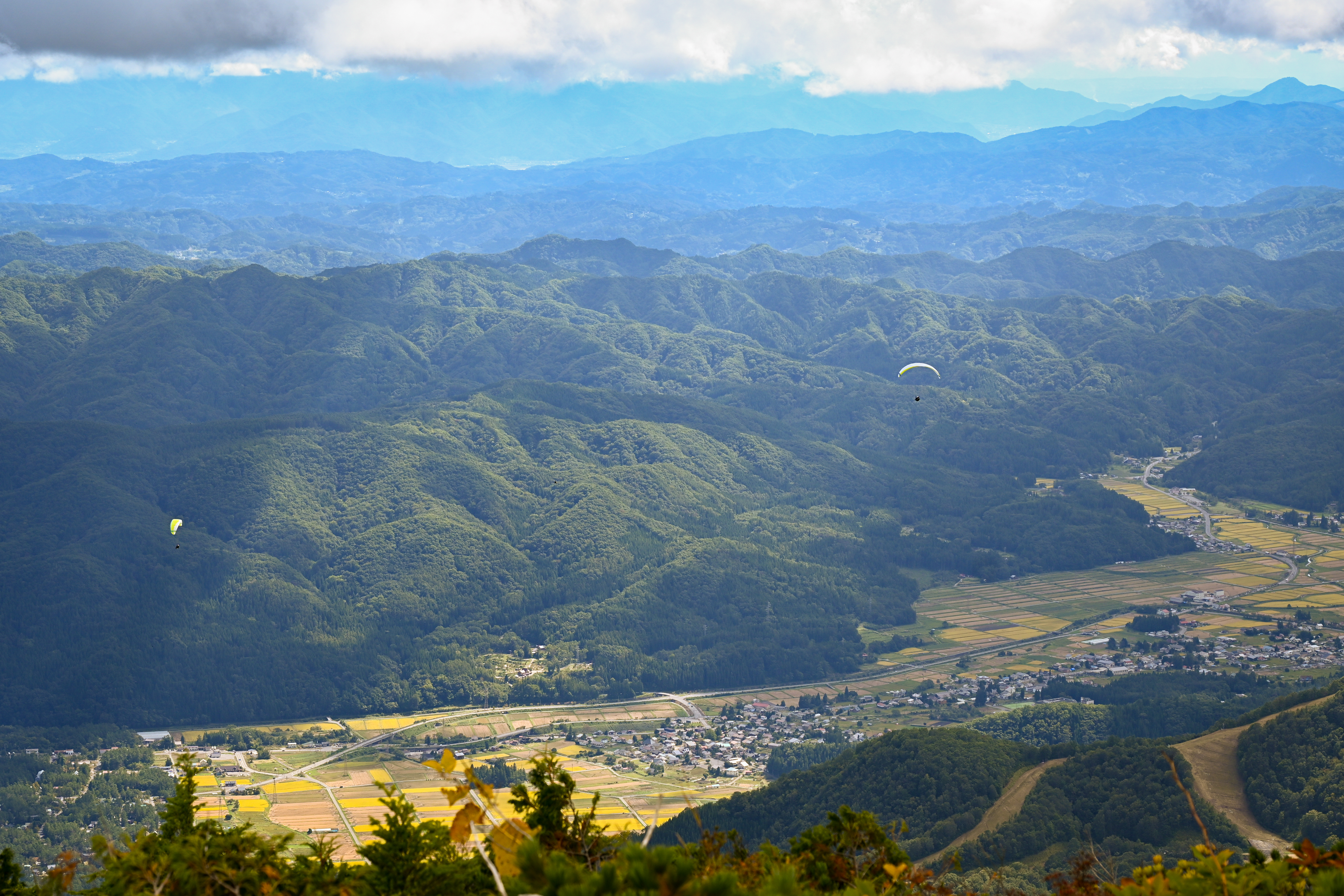
The next day was quite busy. We woke up around 7:00, heading to Hakuba – Happo One Lake. If you would like to visit this place, you can take a straight bus, taking approximately 1,5–2 hours. The ride itself was comfortable, and the scenery of the Japanese Alps unfolding outside the window made the time fly by. A trick was to take the bus from in front of the Hotel Metropolitan Nagano instead of the station. This way, we ensured that we would have a seat and we were among the first people getting on the bus. If you are interested in doing the same hike, I would recommend that you look at this website…
Fun fact: I buses in Japan you can add extra seats positioned in the center of the aisle! It was such a clever use of space, something I’d never seen in Europe before!
After arriving in Hakuba, you have to get to a lift. On the Alpico Group website there is mentioned to take a taxi to the lift, but pease don’t do this, because we walked approximately 10 minutes to get there. The way was pretty straightforward; you can use Google Maps, or you can get a map for free at Hakuba terminal station.


The lift to the beginning of the trail was amazing, and surprisingly long! In total, we took 3 different lifts! Each one offered a more breathtaking view than the last, with the mountains stretching endlessly below us. I have to say the view was amazing! It cost us 6 800 yen for 2 people round-trip. If you want a full-day hike, I believe it would be possible to hike all the way up; however, bear in mind that the elevation was approximately 1,830 meters, and it took us about 20–25 minutes by lift. The steepness of the terrain made me glad we weren’t hiking up, even though I think it would be possible. To be honest, I am not quite sure if there would be a suitable way on foot because there were no markings, but you can do the research if you want. If you are looking for a good-quality hike but are not sure about the 2 km elevation, don’t worry, because the hike to Happo One itself was quite lovely.


There are 2 trails that take you to the lake. I would recommend taking the trail on your right side, the way up, and the other side on the way down. The right trail was slightly more challenging because of its uneven terrain, with open views of the valley, while the left one felt more secluded and peaceful.


Happo Lake is known for its calm water and mirror reflection of the mountains; however, we didn’t have such a nice view, as it was quite foggy and cloudy on the day of our hike. The mist added a mysterious, almost magical atmosphere to the lake, though. We stayed for a while, had some lunch at the top, and then it got much better, even the sun peeked through the clouds, casting a golden glow over the water (and giving me a possibility to take some shots). Even though the weather wasn’t to our expectations, I have to say that it was so far the most interesting hike that we did in Japan. It was beautiful, peaceful, and mysterious. The sense of solitude and the crisp mountain air made it unforgettable. Just make sure to bring some layers because the temperature differs greatly at the heights of the mountains.


On the way back, the terminal was bustling with hikers, and the fresh mountain air was invigorating. At the station, you have a vending machine to buy a ticket back to Nagano. This is very important because you won’t be able to buy the ticket from the bus driver like on the way there. Make sure you purchase the ticket in this manner and have some cash with you because the card was not working there temporarily.
Day 8
The 1st day of October was very peaceful. The highlight of the day was a visit to the Togakushi Soba Yamazato restaurant, located in a small mall in Nagano. If you ever visit this city in autumn, you must go to this restaurant and try their seasonal specialty, soba noodles. The Nagano region is, in general, known for its noodles. Soba are noodles made mostly of buckwheat, often blended with some wheat flour as a binder. In the region, most of the restaurants make their fresh noodles themselves. The noodles are served cold, meaning that instead of serving them in a soup, they are served elegantly on the side, dry, glistening slightly from the cooking process, and seasoned with a dipping sauce that comes with the dish. The texture was firm yet delicate, with a nutty aroma that filled the air. Alongside the noodles, we were served water that the noodles were cooked in. This is a great source of nutrients that were lost from the soba noodles during cooking.
Fun fact: For people that don’t know wasabi, it can be quite challenging to distinguish the real-deal, but I am quite sure we tried a real wasabi for the first time in that restaurant. In Europe, you cannot really find a lot of real wasabi, and if so, it is even more expensive than in Japan; instead, you most of the time have some blend of horseradish, aromas, and colorants. The reason for this is that wasabi root spoils quite quickly and is difficult to farm, so it cannot really be exported over long distances. The moment we tasted the real wasabi, we understood why it is so expensive. It had a fresh, almost floral sharpness that lingered just enough to enhance the flavours without overpowering them. The wasabi from Japan was outstanding, mixed into the dipping sauce and giving it a vibrant, complex depth.
Alongside the noodles, we had some cucumbers, marinated mushrooms, and a rice dish with chestnuts! The cucumbers were crisp and refreshing, while the mushrooms had absorbed a savory-sweet marinade that paired perfectly with the soba. The combination of the seasonal and sweet chestnut rice dish with the dipping sauce and the mushrooms was simply out of this world. Each bite felt like autumn on a plate, earthy, comforting, and rich with the flavors of the season. I have to learn the recipe for this amazing rice!

Day 9
On day 9, we changed our location and moved to Matsumoto. We stayed in a hostel called Matsumoto Backpackers, one of the most charming places we’ve stayed in so far. It was a very traditional house with few rooms: one bunk bed room, one room for 2, and I think 2 rooms for 3. The host was incredibly kind and welcoming, and gave us a lot of tips on what to do in the area. He also offered us to stay in the room for 3 instead of bunk beds, of course, if we shared with one more person. We stayed for a total of 5 nights and met 3 different roommates. The hostel itself was amazing and super clean, which is a big plus for me. The wooden floors, sliding doors made it feel like a home away from home. There was a friendly and calming atmosphere in the hostel during the whole stay.


On the day of arrival, there was a local Shinto festival situated near Yohashira Shrine. It was a very small but lovely celebration that took 3 days and was accompanied by live music echoing through the streets, surrounded by food stands. We tried some local cuisine and drank a beer or two with our roommate. All this was finished with a beautiful fireworks display launched alongside a small stream. The fireworks reflected in the water, creating a dazzling spectacle that lit up the night sky. What a lovely day!


Day 10
The next day, we were looking forward to visiting a wasabi farm; however, all of a sudden, we decided to go on a hike instead. I was a little bit sad that we didn’t go, because I love wasabi, but the hike was definitely worth it. The crisp mountain air and the promise of adventure quickly made up for it.
If you’ve visited the wasabi farm, feel free to tell me about it in the comments!
We hiked from station to station, specifically from Yabuhara to Narai. Before anything, please note that the Suica travel card does not work on the local Chuo line, and the trains are rather limited. We didn’t know that, so we checked in with Suica at Matsumoto station, but as we arrived at Yabuhara station, we realized we didn’t have a ticket. The station was tiny and quiet, with no travel card gates in sight. Fortunately, we had some cash, since only payment in cash was possible, and the train driver was very kind. He patiently explained the situation and even waited while we scrambled to find the exact change. In the end, everything went well as we also managed to stop our journey on the Suica card at Matsumoto station with one of the workers.
My advice? Always check if the Suica card works, especially at small stations like these!
About the hike, it was beautiful and quite easy to navigate. The hike is part of an old Nakasendo trail that was an important traveling and transportation route during the Edo period in Japan. This road is long, stretching from Tokyo to Kyoto. We hiked just a small portion of it, which, interestingly, leads through the highest point of this trail. The trail is called Torii Pass, and it winds through a mountain with the Ontake shrine on top. The shrine stood quietly against the sky, adding a sense of tranquility to the journey.


The road was mostly a beautiful green forest, filled with the rustling of leaves and the occasional birdcall, ending in Narai-Juku, a beautiful wooden town that smelled of history. The preserved Edo-era buildings and the quiet streets made it feel like stepping back in time. The only problem I had with this trail was that every few meters there was a bear bell, and lots of signs warning us that bears walk through there. This was quite scary, especially when you have a companion who jumps at every rustle in the bushes and scared the shit out of me as he got startled by a bird. 😆 and so, there aren’t many photos from the trail passing through the forest, since it felt rather unsafe and stressful… but here are some shots from the more secure areas.


Day 11
The reason we wanted to go to Matsumoto so much was to hike in Kamikochi. If you don’t know it, it is basically one of the most famous (and touristic) hikes in Japan, and you bet you’ll know why after booking the extremely expensive and limited tickets. We booked the tickets through this website. I would explain it all, but I think you can find all the info you need about how to get there. My advice would be only to make sure you buy them in advance, don’t use Suica because it won’t work, and double-check the weather forecast since it can make or break your experience! We had big plans to do a 7-hour hike on top of one of the mountains in Kamikochi, but the weather decided otherwise, drenching us with rain that turned the trails slick and misty. Instead, we bought some raincoats for 500 yen each and took a trail alongside the river. I have to say it was definitely worth it anyway.
My advice? Regardless of the price, I think this hike is simply something one must do when traveling in Japan.
To continue, even though it was rainy, the area is fascinating. The misty mountains and the sound of the river rushing beside us created an almost magical atmosphere. What surprised me the most was that it was full of monkeys! They simply live there in the wild and sometimes pay a visit to tourists walking around. Watching them swing through the trees, taking care of their young, and simply minding their business as if we hadn’t existed was one of the highlights of the day. Here is a highlight of my photography work.


We finished the whole hike (time including pictures of monkeys as well) in about 4,5 hours. The problem was that while expecting to hike a big-ass mountain for a whole day, we took one of the first connections to Kamikochi early in the morning and the last one on the way back, at around 17:55. If my memory is correct, we had to wait for more than 3 hours to take our bus, because there simply was nothing else to do in that weather. Fortunately, we didn’t wait all that time (only 2 hours) because we found out that if there is a place on the return bus, you can go to the ticket counter and ask to change your ticket! This information was life-changing for us, and I hope that it will be for you, too. I really hope all this information will help you in your planning to visit the famous Kamikochi!
In the evening, we were extremely tired, not to mention that we were cold from a day spent in the rain. Nothing seemed more appropriate than going to grab a hot bowl of ramen at the diner at that time. We chose a quite famous ramen place, called Mensho Sakura, the proof of this was the huge line when we arrived at the place. The ramen satisfied us like never before, as it charged our bodies with warmth and filled our hungry stomachs. I cannot imagine a better finish for this day.


Day 12
On day 12, not much happened since we hiked for the last two days and wanted some good quality rest. Our legs were still aching from the trails, so we took it easy and explored the local food scene instead. We wanted to try some local specialties, and so we went to Matsumoto Kaarage Center to have some Sanzokuyaki. This dish is something between Katsu and Karaage. It differs by using a whole piece of chicken and has a distinct, thick, crispy crust made from potato starch, which crackles satisfyingly with every bite, resulting in an ultimately juicy interior. The dish is often served with shredded cabbage, as this place serves it as well. The contrast of the crunchy crust and the tender meat, paired with the freshness of the cabbage, made it a perfect comfort meal.

Btw, visiting the Matsumoto castle in the evening is something definitely worth trying!

Day 13
The last full day of Matsumoto started with a visit to the Ishii Miso factory, one of the few miso producers in Japan that still uses the traditional method. As a chef and a keen enthusiast of fermentation, I was eager and excited to experience this firsthand. The production area is divided into 3 warehouses, each representing a year of miso fermentation. The earthy scent of fermenting soybeans filled the air, and the sight of the massive wooden barrels stacked neatly was mesmerizing. The tour lasts about 20 minutes and is completely free of charge. You even get a miso soup sample at the end, made from their traditional 3-year rice miso. The miso soup had an incredible taste – the balance between sourness, umami, and saltiness, along with its distinct dark colour, was nothing like the mass-produced miso you find in stores; it was rich, deep, and full of character.


There is a restaurant located in the factory as well. Here you can try dishes made from miso, as well as a small shop with very limited products that you can only buy in Japan. I just couldn’t say no to the miso ice cream available there. The taste was spectacular, a perfect harmony of sweet and savory, reminding me of salty caramel. I wouldn’t be surprised to find such a component on a high-end restaurant menu.
My advice? In Japan, some of the best food isn’t found in high-end restaurants or tourist hotspots, it’s often hidden in small eateries inside train stations or local malls. Unlike in Europe, where such places might disappoint, in Japan they frequently offer exceptional quality, authenticity, and value. To truly experience Japan’s culinary scene, skip the crowded tourist spots and explore these lesser-known gems. You’ll save money, as well as satisfy your palette!
In the afternoon, we went to Shinshu Soba IIDAYA, a restaurant located in the station building. Of course, we needed to have more soba while staying in Nagano prefecture. This restaurant didn’t disappoint at all. We ordered a basic lunch menu that could be served hot or cold. The cold option consisted of soba noodles with dipping sauce and wasabi, miso soup, pickled radish, and a rice dish with vegetable tempura. The soba noodles were perfectly al dente, and the dipping sauce had just the right balance of sweetness and umami. I don’t understand how the food in Japan can be so good, so cheap, and so filling at the same time.

* * *
And so our journey to the Japanese Alps ended that evening, as we started to pack and prepare to leave the quiet, charming city of Matsumoto and continue our journey to Osaka – the king of Japanese cuisine, relaxed vibes, and nightlife…
Leave a Reply